What Is a PFP NFT? Meaning, Use Cases, and Community Value
A PFP NFT is a generative profile picture NFT that signals on-chain identity and community membership. This guide explains what PFP NFTs are, how they differ from regular images, their use cases, and why community is the real value driver.
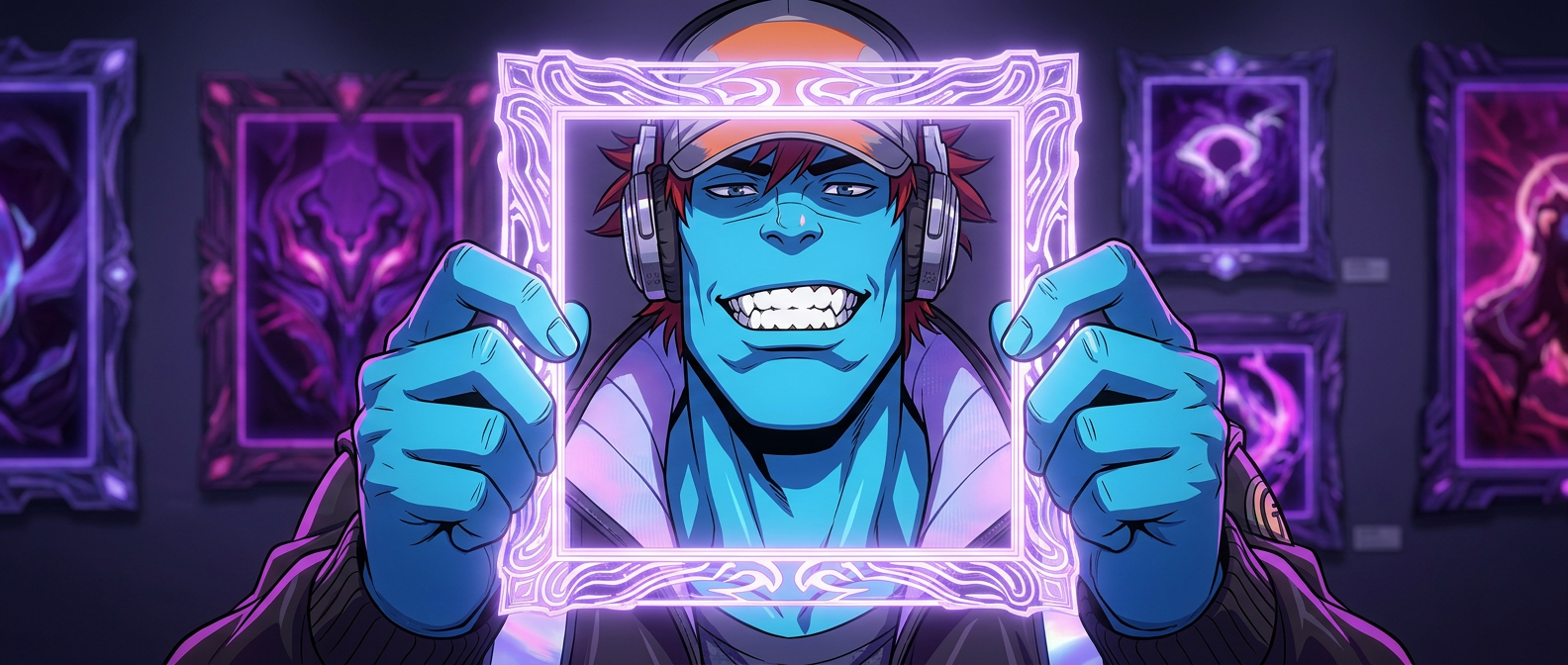
PFP NFTs are the category of digital ownership that turned a social media profile picture into a verifiable on-chain identity, a community membership signal, and in many cases a significant financial asset. The PFP format became the most culturally visible expression of NFT ownership because it lives in public on every platform where the holder has an account, making it simultaneously a personal identity choice and a community statement. This guide covers what a PFP NFT actually means and how the format works, how it differs from regular images and other NFT types, the main use cases that have emerged, and the community value that separates successful PFP projects from those that fade after mint.
What a PFP NFT Actually Means
PFP stands for profile picture. A PFP NFT is a digital artwork minted as a non-fungible token on a blockchain and specifically designed to be used as a social media profile picture.
The holder owns a verifiable, publicly recorded token tied to that specific image. The ownership is on-chain and transfers with the token when it is sold.
PFP collections are almost always generative. A set of base traits, such as background, body, clothing, accessories, and facial features, are combined algorithmically to produce thousands of unique characters from the same visual system.
Each item in the collection shares the same art style and character template but differs in which traits it carries. No two tokens in the same collection are identical.
The rarity of specific traits within the collection affects how individual tokens are valued. An item with a rare background or a one-of-one accessory is typically priced above the general collection floor.
Common collection sizes range from 5,000 to 10,000 tokens. CryptoPunks launched with 10,000 unique pixel art characters in 2017 and is widely considered the project that defined the PFP format.
Bored Ape Yacht Club, Azuki, Doodles, and thousands of independent projects followed the same generative model. Each brought its own art direction and community approach to the format.
Jirasan is a PFP NFT collection on Ethereum where each token is a unique character with its own trait combination, and every holder is part of the Jirafam community.
Our guide on what NFT art is and how digital art became a global market covers the broader creative context that PFP collections emerged from and the market forces that shaped them.
How PFP NFTs Differ from Ordinary Images and Other NFTs
An ordinary profile picture is a file that anyone can download, screenshot, or copy. There is no scarcity, no provable ownership, and no way to distinguish the person who created it from anyone who copies it.
A PFP NFT is backed by an on-chain ownership record that any wallet can verify at any moment. The image may be viewable by anyone, but only one specific wallet holds the token the blockchain recognizes as the owner.
A 1/1 NFT is a unique piece where a single token exists. It functions more like a traditional fine art purchase and is not designed around community participation or social identity.
A PFP collection is designed for scale. Thousands of tokens share a visual language while remaining individually distinct, which creates both individual identity and collective recognition across an entire community.
Music NFTs represent ownership or access rights to an audio work. Gaming NFTs represent ownership of in-game items. Neither is designed for social identity use the way a PFP is.
PFP NFTs are built specifically for the profile picture context. The design, the collection size, and the community mechanics all serve the purpose of a visible, wearable identity on social platforms.
The social use case is what separates PFP NFTs from every other NFT format. A buyer chooses a PFP not just because they like the art but because they want the identity and community membership that comes with it.
Our guide on what a non-fungible token is and how it works explains the on-chain ownership mechanics that underpin every PFP NFT and make the ownership record verifiable.
Main Use Cases of PFP NFTs
The primary use case is setting the NFT as a profile picture on X, Discord, Telegram, and any other platform where the holder is active. The image becomes the holder's face in digital spaces and signals their identity across the Web3 world.
On X, a hexagonal profile picture frame has been used to signal verified NFT ownership. This visual distinction separates the authentic holder from anyone who screenshotted the same image.
Most PFP projects attach gated access to holding the token. Holders get access to a private Discord server, holder-exclusive channels, or a dedicated platform like the Jirafam Hub.
Membership is dynamic and wallet-based. When the token is sold, the new holder inherits the access and the previous holder loses it automatically, with no manual intervention required.
Some PFP projects grant holders commercial rights to their specific character. Bored Ape Yacht Club gave holders the right to use their ape for merchandise, branding, and business purposes.
Commercial rights are not universal across PFP collections. Each project defines its own IP policy, and holders should verify the terms before creating anything commercially based on their token.
Major PFP projects have used token ownership as a ticket to real-world events. BAYC's ApeFest brought thousands of holders together globally as an experience only accessible to verified holders.
Smaller projects use holder status for priority access to meetups, brand events, and community gatherings that are not open to the general public.
Some projects use the token as a governance mechanism, giving holders voting rights on treasury decisions, roadmap priorities, or community initiatives. This turns holding the NFT into active participation in the project's direction rather than passive ownership.
A number of PFP projects have introduced staking mechanisms that reward holders with a project-native token for keeping their NFT in a staking contract. These rewards incentivize long-term holding and create an ongoing economic relationship between the project and its community.
Jirasan NFT holders gain access to the Jirafam Hub, which unlocks holder-exclusive features and community participation tied directly to on-chain ownership.
Our guide on how to buy NFTs step by step for first-time buyers covers the full process for purchasing a PFP NFT from wallet setup to confirmed on-chain ownership.
The Community Value Behind Successful PFP Projects
The community is where the durable value of a PFP project lives. A project without an active, engaged community is only a speculative token.
Shared identity is the foundation of that community. When thousands of holders use the same collection as their profile picture across X, Discord, and other platforms, the collective presence creates recognition and social weight that no single holder could generate alone.
Recognizing another person's PFP from the same collection creates an immediate connection. It signals shared values, shared financial exposure, and community membership without any words being exchanged.
In Web3 spaces where reputation is largely pseudonymous, the PFP has become one of the primary trust signals between strangers. A recognized collection carries social proof that a blank avatar does not.
The more respected or influential the people who hold a collection, the stronger the social signal of holding it becomes. This network effect is unique to PFP collections and drives significant demand for floor tokens in established projects.
A collection held by builders, investors, and creators attracts more of the same. This creates a compounding community quality effect over time that cannot be manufactured artificially.
Every holder in a PFP collection benefits when the floor price rises and is hurt when it falls. This shared economic stake creates a natural incentive for holders to promote and support the project actively.
The alignment between individual financial interest and collective community health is a structural feature of PFP projects that does not exist in traditional community formats.
Strong PFP communities generate derivative art, lore, merchandise, memes, and creative content built around the collection without being instructed to. Holders become contributors and ambassadors because the community reflects their identity.
The longevity of a PFP project is almost entirely a function of whether this organic cultural production continues after the initial mint excitement fades.
Jirasan builds community value through the Jirafam Hub, with holder-exclusive tools and participation features designed to reward long-term engagement rather than short-term speculation.
Our guide on what OpenSea is and how it works covers the marketplace where most PFP NFTs including Jirasan are listed and actively traded in 2026.
Conclusion
PFP NFTs proved that digital ownership could carry social identity, community membership, and cultural meaning at the same time, and that combination is what made them the most publicly recognizable format in the history of NFTs. This guide covered what PFP means and how the generative format creates individual uniqueness within a shared visual identity, how PFP NFTs differ from regular images and other NFT types in terms of scarcity and social purpose, the main use cases from social identity through commercial rights and community access, and why the community surrounding a project is what determines whether it lasts. To find and buy a PFP NFT, our guide on where to buy and sell NFTs in 2026 covers the leading marketplaces, how to compare them, and how to make a purchase safely.
Read Next
- What Is NFT Art? How Digital Art Became a Global Market
- How to Buy NFTs: Step by Step for First-Time Buyers
- NFT Marketplace Guide: Where to Buy and Sell NFTs in 2026
FAQ
What is a PFP NFT?
A PFP NFT is a generative digital artwork minted on the blockchain and designed to be used as a social media profile picture, giving the holder verifiable on-chain ownership of a unique token that also functions as a community membership signal.
What does PFP mean in NFTs?
PFP in NFTs stands for profile picture, referring to the category of generative NFT collections where each token is a unique character designed to be displayed as the holder's identity across social platforms.
What is the difference between a PFP NFT and a regular profile picture?
The difference between a PFP NFT and a regular profile picture is that a regular profile picture is a copyable file with no provable ownership, while a PFP NFT is backed by an on-chain ownership record that establishes one specific wallet as the verified holder.
What is the difference between a PFP NFT and a 1/1 NFT?
The difference between a PFP NFT and a 1/1 NFT is that a PFP NFT is part of a generative collection of thousands of unique tokens that share a visual style and community, while a 1/1 NFT is a single unique piece with no editions and no community mechanics built around it.
What is the difference between owning a PFP NFT and screenshotting it?
The difference between owning a PFP NFT and screenshotting it is that the owner holds the on-chain token that marketplaces and platforms recognize as the verified ownership position, while a screenshot is just a copy of the image with no ownership record attached.
What is the difference between a PFP NFT floor price and the price of a rare item in the same collection?
The difference between a PFP NFT floor price and the price of a rare item is that the floor price is the lowest listed token and represents the minimum cost of entry, while rare items carry a premium based on the scarcity of their specific traits within the total supply.
What is the difference between a generative PFP collection and a hand-drawn one?
The difference between a generative PFP collection and a hand-drawn one is that a generative collection creates thousands of unique outputs algorithmically by combining a fixed set of traits, while a hand-drawn collection requires each piece to be individually illustrated, which limits scale and changes the rarity dynamics.
What is the difference between PFP NFT commercial rights and standard NFT ownership?
The difference between PFP NFT commercial rights and standard NFT ownership is that standard ownership gives the holder the on-chain token, while commercial rights additionally allow the holder to use their specific character for merchandise, branding, or business purposes, and not all projects grant them.
What is the difference between a strong PFP community and a weak one?
The difference between a strong PFP community and a weak one is that a strong community generates ongoing cultural production and long-term holder engagement well after mint, while a weak community loses activity as soon as the speculative momentum from launch fades.
What is the difference between using a PFP NFT for identity and using it for community access?
The difference between using a PFP NFT for identity and using it for community access is that identity use means displaying the token as your profile picture to signal membership publicly, while community access refers to the gated benefits like private servers and platforms that are unlocked by holding the token in your wallet.