NFT Marketplace Guide: Where to Buy and Sell NFTs in 2026
A complete guide to NFT marketplaces in 2026. This guide compares the leading platforms, explains fees and chain support, and covers the practical habits for buying and selling NFTs safely.
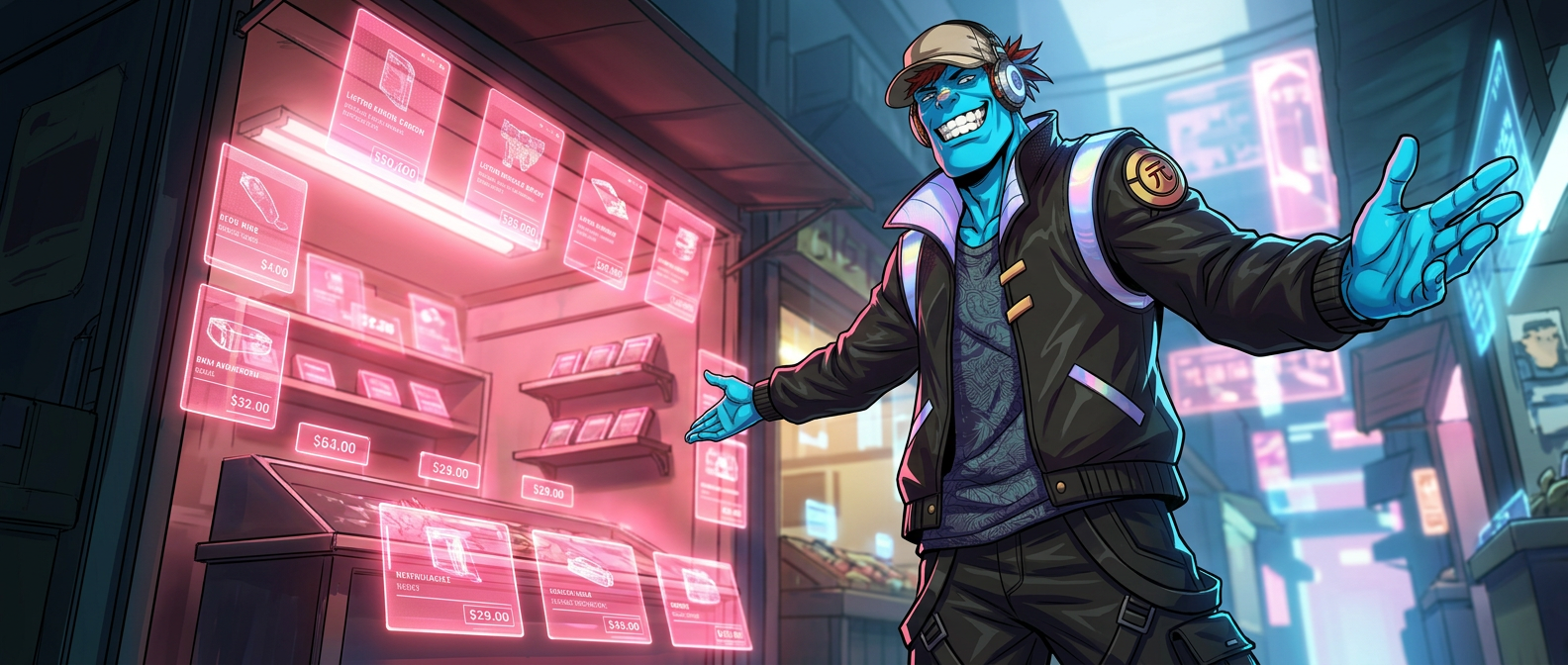
The NFT marketplace you choose determines everything that follows: the fees you pay, the buyers you reach, the chains you can access, and the tools available to protect every transaction. In 2026, the marketplace landscape has consolidated around a small group of platforms, each serving different types of collectors, traders, and creators with different priorities. This guide covers the leading NFT marketplaces in 2026, a direct comparison of their fees, chain support, and target users, how to choose the right platform based on your specific goals, and the practical buying and selling habits that protect every interaction.
Overview of the Leading NFT Marketplaces in 2026
OpenSea is the largest NFT marketplace by total user volume in 2026 and supports Ethereum, Polygon, Base, Arbitrum, and Solana. It has the widest collection selection and the most beginner-friendly interface of any general-purpose NFT platform available today.
Blur is the dominant marketplace for professional Ethereum NFT traders. It offers lower fees than OpenSea, real-time floor price analytics, bid depth charts, and portfolio tracking tools designed for buyers and sellers who trade actively.
Magic Eden is the leading marketplace for Solana-based NFTs and has expanded to support Ethereum and Bitcoin Ordinals. It is a strong cross-chain option for collectors who are active across multiple networks from a single interface.
Tensor is a Solana-native marketplace built for power users, with DeFi-integrated features including NFT lending and automated trading tools. It is growing steadily in 2026 as a technical alternative to Magic Eden for Solana-focused traders who want more advanced functionality.
SuperRare is a curated marketplace focused exclusively on 1/1 digital art on Ethereum. Artist applications are reviewed before any works can be listed, making it the highest-end platform for individual pieces rather than PFP or generative collections.
Foundation is an invite-based platform known for its clean presentation and a focused community of digital art collectors. It is less oriented around trading volume and more around the relationship between individual artists and serious collectors.
Jirasan NFTs are actively listed and traded on both OpenSea and Blur. Buyers and sellers in the Jirasan collection can compare pricing, analytics, and fees across both platforms before committing to any transaction.
Our guide on what an NFT is and how it works explains ownership, token standards, and what the buyer actually receives on the blockchain when a marketplace transaction is confirmed.
Key Comparison: Fees, Chains, and Target Users
Every NFT marketplace charges a fee on each sale, deducted automatically when a transaction settles. Understanding the total cost across marketplace fees, creator royalties, and gas is more important than any single headline rate.
OpenSea charges a 2.5% marketplace fee on all sales. It has the largest buyer audience but the highest platform fee of any major general-purpose NFT marketplace in 2026.
Blur charges a 0.5% marketplace fee on most Ethereum sales. This makes it the lowest-cost option for any seller prioritizing fee efficiency on the Ethereum network.
Magic Eden charges a 2% marketplace fee across most chains. It is competitive with OpenSea in terms of buyer activity on Solana and provides a strong cross-chain listing option for sellers active on multiple networks.
Tensor charges a 1.5% marketplace fee on Solana. It sits between Magic Eden and lower-fee configurations, with stronger tooling for active traders who transact frequently.
Creator royalties are a percentage of the sale price set by the original project and paid to the team on secondary sales. Enforcement varies significantly across platforms: some apply the full royalty automatically, while others let buyers set the royalty amount anywhere between zero and the full creator rate.
Chain support differs meaningfully between platforms. OpenSea covers the most chains including Ethereum, Polygon, Base, Arbitrum, and Solana, while Blur is Ethereum-only, Magic Eden covers Solana, Ethereum, and Bitcoin Ordinals, and Tensor is Solana-only.
The right platform for any buyer or seller depends on which chain the NFT lives on and which marketplace has the most active buyer base for that specific collection. Listing on a cheaper platform with low buyer activity rarely outperforms listing on a higher-fee platform where buyers are already browsing and bidding.
Gas fees add to the total cost of every on-chain interaction on a marketplace, from collection approvals to cancellations. Our guide on what a gas fee is and why it changes explains how these costs are calculated and how to time transactions to pay less.
How to Choose the Right Marketplace for Your Needs
The most important factor in choosing a marketplace is where buyers for the specific collection are most active. High trading volume on a particular platform means tighter spreads, more listings, and faster price discovery for both buyers and sellers.
For beginners, OpenSea is the right starting point. It accepts the widest range of collections, supports multiple chains, and has the clearest interface for buyers making their first NFT purchase.
For active Ethereum NFT traders, Blur is the better option. Lower fees and built-in analytics make it more efficient for anyone buying and selling frequently within the Ethereum ecosystem.
For Solana-based collections, Magic Eden is the dominant choice by volume. Tensor is the preferred alternative for buyers who want more advanced trading tools and DeFi-integrated features without sacrificing Solana-native performance.
For 1/1 digital art, SuperRare and Foundation serve a completely different purpose than general-purpose marketplaces. Both are curated, which means fewer listings but a higher signal-to-noise ratio for serious art collectors focused on quality over volume.
When buying a specific collection, check which platform has the lowest floor price at any given time. The same NFT can be listed at different prices on different marketplaces simultaneously, and routing the purchase through the cheaper listing saves money regardless of platform preference.
For sellers, cross-listing on both OpenSea and Blur for Ethereum collections maximizes exposure without significant additional effort after the initial setup. Each marketplace requires its own one-time collection approval transaction, but subsequent listings on the same platform are gasless for fixed-price listings.
Jirasan NFTs are officially listed on OpenSea and Blur. New buyers should verify the Jirasan contract address from the official website before connecting any wallet or making any purchase on either platform.
Our guide on how to buy NFTs step by step for first-time buyers covers the full process from connecting a wallet to confirming a purchase on any major marketplace.
Practical Tips for Buying and Selling on NFT Marketplaces
Before buying any NFT, check the floor price trend over the last seven and thirty days, not just the current floor. A falling floor in low volume is a signal worth understanding before committing funds to any collection.
Check the number of unique holders relative to total supply. A collection with 10,000 items and fewer than 300 holders has highly concentrated ownership, which carries different risk than one with 3,000 distributed holders across the supply.
Look at seven-day trading volume and whether it is rising or declining over time. Healthy collections have consistent activity across weeks, not a single spike followed by extended silence and stalled listings.
Always verify the collection contract address against the project's official website or verified social channels before clicking Buy. Fake collections with near-identical names and artwork are a recurring scam on every major marketplace.
Wash trading, where the same party buys and sells to itself to inflate volume numbers, is present across every major marketplace. High volume alone is not a reliable indicator of genuine demand, and cross-checking against unique wallet activity gives a more accurate picture of real buyer interest.
For sellers, check the last seven days of comparable trait sales before setting a price. If the NFT has a rare or desirable trait, recent sales of similar items justify pricing above the general collection floor and provide evidence to support the ask.
Fixed-price listings at or near the current floor sell fastest in most market conditions. Timed auctions are more effective when demand for a specific item is uncertain and the seller wants buyers to compete to determine the price.
Reducing a listing price without cancelling it is possible on most platforms using a Relist or Lower Price option. This avoids the gas cost of cancelling and re-creating the listing, which matters particularly on Ethereum mainnet where cancellation fees can be significant.
Only access marketplace URLs by typing them directly or navigating from verified official sources. Phishing sites built to look identical to real marketplaces are an active threat and a common way both buyers and sellers lose funds by signing a transaction they did not intend to authorize.
Use a separate burner wallet funded with only what is needed when interacting with an unfamiliar project or a new marketplace for the first time. This isolates any risk from that specific interaction and keeps the primary wallet and its holdings completely separate.
Our guide on how to keep your crypto wallet safe covers the full security checklist that applies to every marketplace interaction, from connecting a wallet to revoking standing approvals after any transaction is complete.
Conclusion
The NFT marketplace you use is not a minor detail: it is the infrastructure every purchase and sale runs on, and choosing the right one from the start protects both the assets and the funds involved in every transaction. This guide covered the leading NFT marketplaces in 2026 and what makes each one suited to a different type of user, a direct comparison of fees, chain support, and royalty policies across platforms, how to choose the right marketplace based on collection type and specific trading goals, and the practical habits for buying and selling safely on any platform. To use any NFT marketplace, a self-custodial wallet must be set up and funded first, and our guide on how to create a Web3 wallet step by step covers the full MetaMask and Phantom setup process from the first click to a connected, funded wallet ready for any marketplace.
Read Next
- What Is Minting an NFT? Meaning and Step-by-Step Basics
- Cold Wallet vs Hot Wallet: What Is the Difference?
- How to Buy NFTs: Step by Step for First-Time Buyers
FAQ:
What is the best NFT marketplace for beginners in 2026?
The best NFT marketplace for beginners in 2026 is OpenSea, which has the most beginner-friendly interface, the widest collection selection, and supports Ethereum, Solana, Base, and Polygon from a single platform.
What is the difference between OpenSea and Blur as NFT marketplaces?
The difference between OpenSea and Blur as NFT marketplaces is that OpenSea has a larger audience and a more beginner-friendly interface with multi-chain support, while Blur has lower fees and more advanced analytics built for experienced Ethereum NFT traders.
What is the difference between a curated and an open NFT marketplace?
The difference between a curated and an open NFT marketplace is that a curated marketplace like SuperRare or Foundation reviews and approves listings before any works can be sold, while an open marketplace like OpenSea allows anyone to list any NFT without prior approval.
What is the difference between creator royalties and marketplace fees on NFT platforms?
The difference between creator royalties and marketplace fees on NFT platforms is that creator royalties go to the original project team as a percentage of each secondary sale, while marketplace fees are charged by the platform for facilitating the transaction.
What is the difference between a verified and an unverified collection on an NFT marketplace?
The difference between a verified and an unverified collection on an NFT marketplace is that a verified collection has been confirmed by the platform as the authentic contract from the original creator, while an unverified collection has not been reviewed and may be an imitation or scam.
What is the difference between buying an NFT on Ethereum and buying one on Solana?
The difference between buying an NFT on Ethereum and buying one on Solana is that Ethereum has higher and more variable gas fees with the largest NFT collection ecosystem, while Solana has much lower transaction costs and faster confirmation times.
What is the difference between listing an NFT on OpenSea and listing on Blur?
The difference between listing an NFT on OpenSea and listing on Blur is that OpenSea charges a 2.5% marketplace fee and reaches a broader general audience, while Blur charges 0.5% and reaches a more active trader audience with stronger analytics on Ethereum collections.
What is wash trading and why does it matter when evaluating NFT marketplace data?
Wash trading in an NFT marketplace is when the same party buys and sells to itself to inflate volume figures, and it matters because high volume alone is not a reliable indicator of genuine buyer demand for a collection.
What is the difference between a fixed-price listing and an auction when selling an NFT on a marketplace?
The difference between a fixed-price listing and an auction when selling an NFT on a marketplace is that a fixed-price listing sells immediately to any buyer who pays the set amount, while an auction collects bids over a set period and sells to the highest offer at expiry.
What is the best marketplace to buy and sell Jirasan NFTs?
The best marketplaces to buy and sell Jirasan NFTs are OpenSea and Blur, where the collection is officially listed and actively traded, giving buyers and sellers the choice of the largest general audience or the lowest fees.