How to Buy NFTs: Step by Step for First-Time Buyers
A complete step-by-step guide to buying your first NFT in 2026. This guide covers wallet setup, funding, choosing a marketplace, making the purchase, and the security habits that protect your new asset.
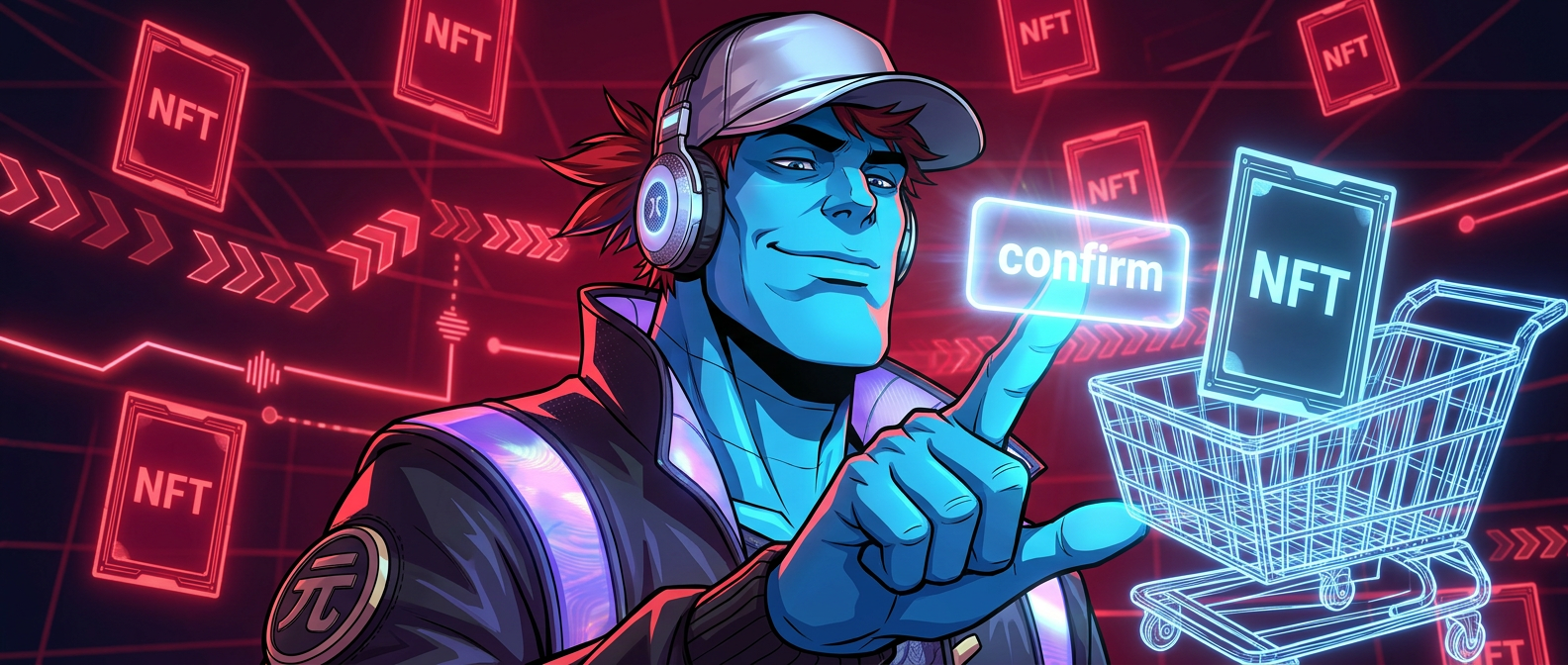
A complete guide to buying your first NFT in 2026, covering the wallet and crypto setup required before any purchase, how to choose the right marketplace, the exact steps from connecting a wallet to confirmed transaction, and the costs, security habits, and post-purchase tips every first-time buyer needs.
Buying an NFT for the first time is one of the most direct ways to take on-chain ownership of a unique digital asset, and in 2026 the process is more accessible than it has ever been. The main barrier for most first-time buyers is not the purchase itself but the setup required before any transaction can happen. This guide covers everything needed before buying, how to choose the right marketplace, the exact steps of a first NFT purchase from wallet connection to confirmed transaction, and the costs, security checks, and post-purchase habits that protect the asset from day one.
Prerequisites: Getting Your Wallet and Crypto Ready
Buying an NFT means taking on-chain ownership of a unique token, and that requires a self-custodial wallet to receive and hold it. An exchange account alone is not enough to own an NFT directly.
MetaMask is the default choice for Ethereum-based NFTs and works with every major marketplace including OpenSea and Blur. Phantom is the leading option for Solana-based collections and also supports Ethereum and Bitcoin from the same interface.
To set up a wallet, download it only from the official website, create a new wallet, and write the 12-word seed phrase on paper in the exact order shown. Store that paper offline immediately in a secure location, never as a screenshot or in any notes app.
Ethereum-based NFTs require ETH in the wallet before purchase. Solana-based NFTs require SOL. The blockchain the collection lives on determines which one you need.
The two main ways to fund a wallet are buying crypto through a built-in fiat on-ramp inside the wallet app, or buying on an exchange like Coinbase and withdrawing to the wallet address. Always send a small test amount before a larger transfer to confirm the address is correct.
Always buy slightly more than the NFT price to cover gas fees on top of the purchase. Gas is the transaction cost every blockchain interaction requires, and running out of ETH mid-transaction causes the purchase to fail.
Many NFTs in 2026 live on Layer 2 networks like Base, Arbitrum, or Optimism rather than Ethereum mainnet. Confirm which network the collection uses before funding the wallet so you add crypto to the correct network from the start.
Marketplaces do not hold funds on your behalf. The wallet must be funded before browsing, because purchases settle directly from the wallet at the moment of confirmation.
Our guide on how to create a Web3 wallet step by step covers the full setup process for MetaMask and Phantom, including seed phrase backup and how to fund the wallet for the first time.
Choosing the Right Marketplace in 2026
An NFT marketplace is a platform where NFTs are listed for sale and buyers connect their wallets to browse and purchase. It is the interface between the buyer and the on-chain transaction, not a store that holds inventory.
OpenSea is the largest NFT marketplace by volume and supports Ethereum, Polygon, Base, Arbitrum, and Solana. It has the widest selection of collections and the most beginner-friendly interface of any major platform in 2026.
Blur is the leading marketplace for experienced NFT traders on Ethereum, with lower fees than OpenSea and advanced portfolio analytics. It is less beginner-friendly but gives buyers significantly more data for making informed purchase decisions.
Magic Eden is the dominant marketplace for Solana-based NFTs and has expanded to Ethereum and Bitcoin. It is a strong option for buyers interested in browsing cross-chain collections from a single platform.
Before committing to any purchase, check the verified collection badge, the floor price trend over the past 7 and 30 days, total trading volume, and the number of unique holders. A healthy collection has a growing holder count and consistent trading activity over time.
Jirasan NFTs are listed on both OpenSea and Blur. First-time buyers can browse the full Jirasan collection on either platform, compare traits, and check current floor prices before making any commitment.
Most marketplaces charge a fee of between 0.5% and 2.5% on top of the purchase price. Some collections also enforce creator royalties on secondary sales. Factor both into the total cost before confirming a purchase.
Always buy from the verified collection address listed on the official project website or verified social channels. Fake collections with near-identical names are a common scam, and the contract address must match exactly before connecting or spending anything.
Understanding what you are purchasing before choosing a collection makes the decision clearer. Our guide on what an NFT is and how it works explains ownership, token standards, and what makes each NFT unique at the blockchain level.
Step-by-Step: Making Your First NFT Purchase
Step one: connect your wallet to the marketplace. Go to the official marketplace website, click Connect Wallet, and select your wallet type. This connection only proves you control the address and does not give the marketplace permission to move your funds.
Step two: browse the collection and select an NFT. Use the collection search or browse to find the project you want. Each listing shows the asking price, the network it lives on, and the seller's wallet address.
Step three: verify the listing before buying. Confirm the NFT is from the verified collection contract, that the price fits your budget including fees, and that the network matches the wallet you funded. Check the trait breakdown if rarity is relevant to your purchase.
Step four: click Buy Now or make an offer. Buying at the listed price triggers an immediate purchase transaction. Making an offer submits a bid that the seller can accept, decline, or ignore at any time.
Step five: review the transaction in the wallet popup. The wallet popup shows the total cost including gas, the contract address being interacted with, and what the transaction will do. If anything looks unexpected, do not confirm and close the popup.
Step six: confirm the transaction. Click Confirm in the wallet popup to submit the transaction to the blockchain. The purchase is now irreversible, and confirmation typically takes seconds on Layer 2 networks or up to a minute on Ethereum mainnet.
Step seven: verify the NFT has arrived. After confirmation, the NFT should appear in the wallet's NFT tab and in your marketplace profile. It may take a few minutes for the interface to update after the on-chain confirmation is recorded.
If a transaction fails, it may be due to insufficient ETH for gas, network congestion, or the listing being purchased by another wallet first. A failed transaction may still cost a small gas fee, and retrying with a slightly higher gas setting usually resolves congestion-related failures.
Gas fees are part of every NFT purchase on Ethereum and directly affect the total cost of the transaction. Our guide on what a gas fee is and why it changes explains how fees are calculated, why they vary, and how to time transactions to pay less.
Costs, Security, and After-Purchase Tips
The total cost of buying an NFT includes the listed price, the marketplace fee, any creator royalty if enforced, and the gas fee for the transaction. Calculate all four before committing so the final cost is not a surprise at the confirmation step.
Ethereum mainnet gas fees change based on network demand and can vary significantly from hour to hour. Layer 2 networks like Base, Arbitrum, and Optimism have much lower and more predictable fees, making them a better starting point for first-time buyers working with a budget.
The floor price is the cheapest available NFT in a collection and is the simplest entry point for a first purchase. Trait-based buying means paying above floor for specific rare or visually desirable attributes that make certain items worth more.
Verify the marketplace URL manually before connecting a wallet every time. Never connect a wallet holding significant assets to an unfamiliar site, and always confirm the collection contract matches what is listed on official project channels.
Some marketplace interactions require a token approval in addition to the purchase transaction. Review every approval request carefully before signing, and use a revocation tool to remove approvals you no longer need after the purchase is complete.
If buying from an unfamiliar project or marketplace for the first time, use a separate wallet funded with only what you need for that specific interaction. This limits any exposure if something goes wrong with the contract or the platform.
Once the NFT appears in your wallet, connect to the project's platform to verify any holder benefits are active. For Jirasan holders, connecting the wallet holding a Jirasan NFT to the Jirafam Hub grants immediate access to holder-exclusive features with no additional verification required.
For any NFT above a value you are not comfortable losing, transfer it to a hardware cold wallet like a Ledger or Trezor. Hardware wallets can hold NFTs and connect to OpenSea or Blur via WalletConnect to list or sell without ever exposing the private key to a browser session.
Once an NFT is in your wallet, you can list it for sale on OpenSea or Blur at any time by setting a price and approving the listing transaction. Creator royalties and marketplace fees apply to the resale amount the same way they did on the original purchase.
Our guide on how to keep your crypto wallet safe covers the full set of security habits and checks that protect every on-chain purchase from the most common threats in 2026.
Conclusion
Buying your first NFT is the most direct step into on-chain digital ownership, and following the process correctly from setup to purchase is what separates a confident first experience from a costly mistake. This guide covered the wallet and crypto setup required before any purchase, how to choose and verify a marketplace and collection, the exact steps from connecting a wallet to confirming a transaction on the blockchain, and the costs, security habits, and post-purchase tips that protect the asset long term. To understand how to store and protect NFTs in your wallet after buying them, our guide on the difference between cold wallets and hot wallets covers the security trade-offs and how experienced collectors protect valuable holdings.
Read Next
- What Is a Web3 Wallet? Everything Beginners Need to Know
- What Is Minting an NFT? Meaning and Step-by-Step Basics
- How to Keep Your Crypto Wallet Safe: Beginner Security Checklist
FAQ:
How do you buy an NFT for the first time?
To buy an NFT for the first time, set up a self-custodial wallet like MetaMask, fund it with the right crypto for the collection's blockchain, connect it to a marketplace like OpenSea or Blur, and confirm the purchase transaction in the wallet popup.
What do you need before buying an NFT?
What you need before buying an NFT is a self-custodial wallet like MetaMask or Phantom, enough crypto in that wallet to cover the NFT price plus gas fees, and a verified collection to buy from on a reputable marketplace.
What is the difference between buying an NFT on OpenSea and buying on Blur?
The difference between buying an NFT on OpenSea and buying on Blur is that OpenSea has a broader collection selection and a more beginner-friendly interface, while Blur has lower fees and advanced analytics built for more experienced traders.
What is the difference between the floor price and the trait price when buying an NFT?
The difference between the floor price and the trait price when buying an NFT is that the floor price is the cheapest available item in the collection, while the trait price is a premium paid for specific rare or visually desirable attributes.
What is a gas fee when buying an NFT?
A gas fee when buying an NFT is the cost of processing the transaction on the blockchain, paid on top of the purchase price in the network's native currency such as ETH on Ethereum.
What is the difference between buying an NFT and making an offer on one?
The difference between buying an NFT and making an offer is that buying at the listed price completes the transaction immediately, while making an offer submits a bid below the asking price that the seller can accept or decline.
What is the difference between a verified and an unverified NFT collection?
The difference between a verified and an unverified NFT collection is that a verified collection has been confirmed by the marketplace as the authentic contract from the original creator, while an unverified collection may be a duplicate or scam designed to look identical.
What should you do after buying an NFT?
After buying an NFT, verify it appears in your wallet and marketplace profile, connect it to any token-gated platform to unlock holder benefits, and move it to cold storage if it holds significant value you want to protect long term.
What is the difference between buying an NFT on Ethereum mainnet and on a Layer 2 network?
The difference between buying an NFT on Ethereum mainnet and on a Layer 2 network is that mainnet has higher and more variable gas fees, while Layer 2 networks like Base and Arbitrum have much lower fees and faster confirmation times with the same level of on-chain ownership.