OpenSea vs Blur: Which NFT Marketplace Should You Use in 2026?
A direct comparison of OpenSea and Blur for NFT buyers and sellers in 2026. This guide covers fees, royalties, interface differences, and a clear breakdown of which platform fits each type of user.
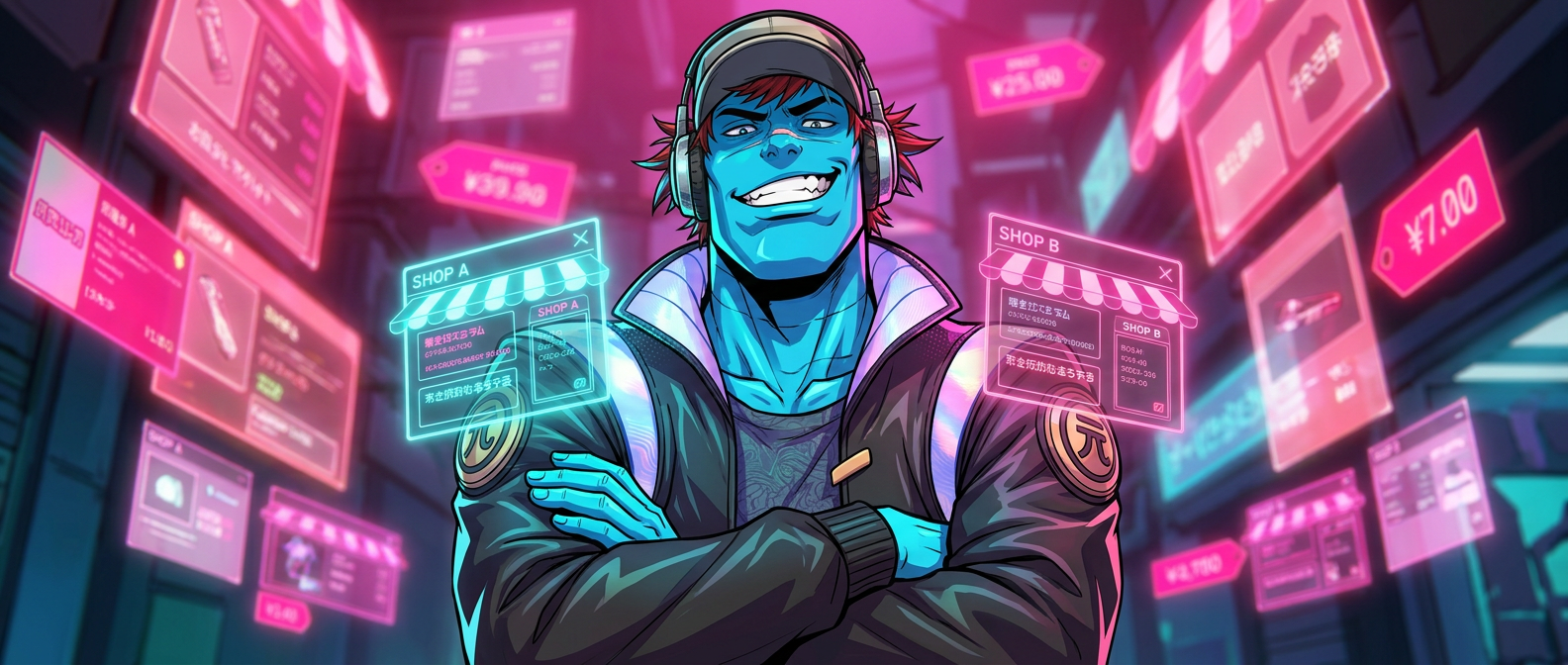
OpenSea and Blur are the two dominant NFT marketplaces on Ethereum in 2026, and the choice between them is one of the first decisions every serious buyer and seller has to make. The two platforms serve completely different users, operate with different fee structures, and offer different toolsets, which means the right answer depends entirely on how you trade and what you prioritize. This guide covers the core differences in audience and design philosophy, a direct fee and royalty comparison, the feature and interface differences, and a clear breakdown of which platform fits which type of user.
Core Differences: Audience and Design Philosophy
OpenSea launched in 2017 and was built for accessibility. It was designed from the start to serve a broad general audience of collectors, casual buyers, and first-time users.
Blur launched in 2022 and was built for professional NFT traders. Every design decision prioritizes speed, data density, and trading efficiency over accessibility or onboarding ease.
OpenSea is a marketplace first. Its interface is built around browsing, discovery, and a clean layout that a first-time user can navigate without any prior trading experience.
Blur is a trading platform first. Its default view includes real-time floor price charts, bid depth data, and portfolio analytics that are far more useful to experienced traders than to new buyers.
Blur disrupted the existing marketplace landscape by offering lower fees, royalty flexibility, and BLUR token rewards that incentivized high-volume trading. This made it the platform of choice for the most active Ethereum NFT traders from 2022 onward.
OpenSea generates the majority of its volume from casual and first-time buyers across a wide range of collection types and price points. Blur generates the majority of its volume from professional traders cycling through positions in high-liquidity Ethereum collections.
Jirasan NFTs are listed and actively traded on both platforms. New collectors entering the Jirasan ecosystem tend to start on OpenSea, while experienced traders often prefer Blur for its analytics and lower costs.
Our guide on what OpenSea is and how it works covers the platform in full detail for anyone making their first purchase on it.
Fees, Royalties, and Cost Comparison
OpenSea charges a 2.5% marketplace fee on every completed sale. It is deducted automatically from the seller's proceeds when the transaction confirms on-chain.
Blur charges a 0.5% marketplace fee on most Ethereum sales. This makes it the lowest-cost major Ethereum marketplace for sellers in 2026.
On a 1 ETH sale, OpenSea deducts 0.025 ETH and Blur deducts 0.005 ETH. At scale, across multiple transactions, the difference is significant for active sellers.
OpenSea enforces creator royalties automatically on collections that use on-chain royalty enforcement. For collections without on-chain enforcement, royalties follow the platform's current policy.
Blur gives buyers the option to set the royalty amount between zero and the full creator rate on most collections. This means buyers on Blur frequently pay reduced or zero royalties on collections that have not deployed on-chain enforcement.
Collections with on-chain royalty enforcement receive their full royalty on both platforms regardless of buyer preference. For collections without it, royalty income may be lower on Blur depending on what buyers choose to honor.
Gas fees are the same on both platforms since both operate on Ethereum mainnet. The cost of any transaction is determined by the network, not the marketplace.
Fixed-price listings on both OpenSea and Blur are created with a gasless off-chain signature. Listing costs no gas for the seller after the one-time collection approval is complete.
The one-time collection approval must be completed separately on each platform. Approving OpenSea does not carry over to Blur, and each approval costs gas.
Our guide on what a gas fee is and why it changes explains how Ethereum transaction costs are calculated and how to time transactions to pay less.
Features, Interface, and Blockchain Support
OpenSea supports Ethereum, Polygon, Base, Arbitrum, and Solana. It has the widest chain coverage of any major NFT marketplace in 2026.
OpenSea includes a built-in fiat on-ramp that lets users buy ETH directly within the platform using a debit card. This removes the need to open a separate exchange account for first-time buyers.
Collection pages display floor price, volume, holder count, and a real-time activity feed of recent sales. Trait filtering lets buyers narrow results to specific attributes without scrolling through thousands of listings manually.
The offer system lets buyers submit bids on any individual NFT at a price below the current listing. Sellers receive a notification and can accept, counter, or ignore any offer at any time.
Blur is Ethereum-only. It does not support Solana, Polygon, Base, or any other chain.
Blur displays real-time floor price charts showing precise listing depth at each price level. This gives traders a clear picture of supply and demand before placing any bid or listing.
The bid pool feature lets buyers place collection-wide offers at a set price that any seller can accept instantly. This is the most efficient way to accumulate NFTs from a specific collection at scale.
The sweep tool lets buyers purchase multiple NFTs from the same collection in a single transaction. The portfolio tracker shows profit and loss per NFT and across the full connected wallet.
Blur has historically offered BLUR token rewards for bidding and trading activity. This incentive has driven significant volume to the platform from traders who factor token earnings into their strategy.
OpenSea is optimized for browsing and discovery. The layout works well for anyone exploring what NFTs are available and deciding what to buy.
Blur is optimized for execution. The layout works well for a trader who already knows what collection they want and needs real-time data to make fast decisions.
Blur has no fiat on-ramp. Users must hold ETH in a self-custodial wallet before they can do anything on the platform, which alone makes it unsuitable as a starting point for beginners.
Our guide on the best Web3 wallets in 2026 covers the wallets that connect to both OpenSea and Blur, including features, security, and use cases.
Which Platform Fits Different Types of Users
Use OpenSea if you are buying your first NFT and have no prior trading experience. It has the simplest interface, the widest collection selection, and does not require any background knowledge to navigate.
Use OpenSea if you want to browse across multiple blockchains including Solana, Polygon, or Base from a single platform. Blur does not support these chains.
Use OpenSea if you want to purchase ETH directly without opening a separate exchange account. The built-in fiat on-ramp makes it the most accessible starting point for new buyers.
Use Blur if you are an experienced Ethereum NFT trader who makes multiple transactions regularly. The fee saving relative to OpenSea compounds significantly at high trading volume.
Use Blur if you want real-time floor price charts and bid depth to inform your pricing decisions. These tools are not available natively on OpenSea.
Use Blur if you want to sweep multiple NFTs from the same collection in a single transaction. Blur's sweep tool and bid pools make it the more efficient platform for traders managing active positions.
Use Blur if you want portfolio-level profit and loss tracking without using a third-party tool. The built-in analytics cover cost basis and unrealized gains across the full connected wallet.
Sellers on Ethereum can list on both platforms simultaneously without conflict. The listing is gasless on both after each platform's one-time collection approval, and whichever platform a buyer is on executes the purchase.
Cross-listing maximizes exposure. OpenSea reaches the broader general audience while Blur reaches the active trader segment, and both can be maintained at no additional ongoing cost.
Jirasan holders who want to sell can list on both OpenSea and Blur to reach both audiences. Buyers should check both platforms to compare current prices before purchasing from the more favorable listing.
Our guide on how to sell an NFT step by step walks through the full listing process on OpenSea and Blur for first-time sellers.
Conclusion
The OpenSea vs Blur decision resolves clearly once the type of user and the priority of each trade is defined. Beginners belong on OpenSea, experienced Ethereum traders belong on Blur, and serious sellers belong on both.
This guide covered the core audience and design philosophy differences between the two platforms, the fee comparison and royalty enforcement differences that affect total cost per transaction, the feature and chain support differences including Blur's Ethereum-only focus versus OpenSea's multi-chain coverage, and a breakdown of which platform fits which type of user. For a full walkthrough of buying on either platform, our guide on how to buy NFTs step by step for first-time buyers covers every step from wallet setup to confirmed on-chain ownership.
Read Next
- NFT Marketplace Guide: Where to Buy and Sell NFTs in 2026
- How to Sell an NFT: Step by Step for Beginners
- How to Buy NFTs: Step by Step for First-Time Buyers
FAQ:
What is the difference between OpenSea and Blur?
OpenSea is a multi-chain marketplace with a beginner-friendly interface and a 2.5% fee. Blur is an Ethereum-only trading platform with a 0.5% fee and advanced analytics built for professional traders.
What is the difference between OpenSea fees and Blur fees?
OpenSea charges 2.5% on every sale. Blur charges 0.5%, making it the lower-cost option for sellers on Ethereum.
What is the difference between how OpenSea and Blur handle creator royalties?
OpenSea enforces royalties automatically on collections with on-chain enforcement. Blur lets buyers set the royalty amount between zero and the full creator rate on most collections.
What is the difference between the OpenSea and Blur interfaces?
OpenSea is designed for browsing and discovery with a clean layout suited to beginners. Blur is designed for trading execution with real-time floor charts, bid depth, and portfolio analytics.
What is the difference between the blockchain support on OpenSea and Blur?
OpenSea supports Ethereum, Polygon, Base, Arbitrum, and Solana. Blur supports Ethereum only.
What is the difference between buying an NFT on OpenSea and buying on Blur?
OpenSea has a fiat on-ramp and a simpler interface for first-time buyers. Blur provides more data and lower costs for experienced traders who already hold ETH in a wallet.
What is the difference between listing an NFT on OpenSea and listing on Blur?
OpenSea charges 2.5% and reaches a broader general audience. Blur charges 0.5% and reaches active traders with built-in listing analytics.
What is the difference between Blur's bid pool and OpenSea's offer system?
Blur's bid pool places a standing collection-wide offer that any seller can accept instantly. OpenSea's offer system submits a bid on a specific individual NFT that the owner must accept manually.
What is the best NFT marketplace for beginners in 2026?
OpenSea is the best NFT marketplace for beginners in 2026. It supports multiple chains, includes a fiat on-ramp, and has a clean interface that requires no prior trading experience.
Can you list the same NFT on both OpenSea and Blur at the same time?
Yes. Cross-listing on both is the recommended strategy for Ethereum sellers. It maximizes buyer exposure at no additional cost after both one-time collection approvals are done.