NFT Marketplace Guide: How NFT Marketplaces Work for Beginners
A plain-English guide to how NFT marketplaces work in 2026. This guide explains what a marketplace actually is, the mechanics of buying and selling, how fees stack, and what every beginner needs to know.
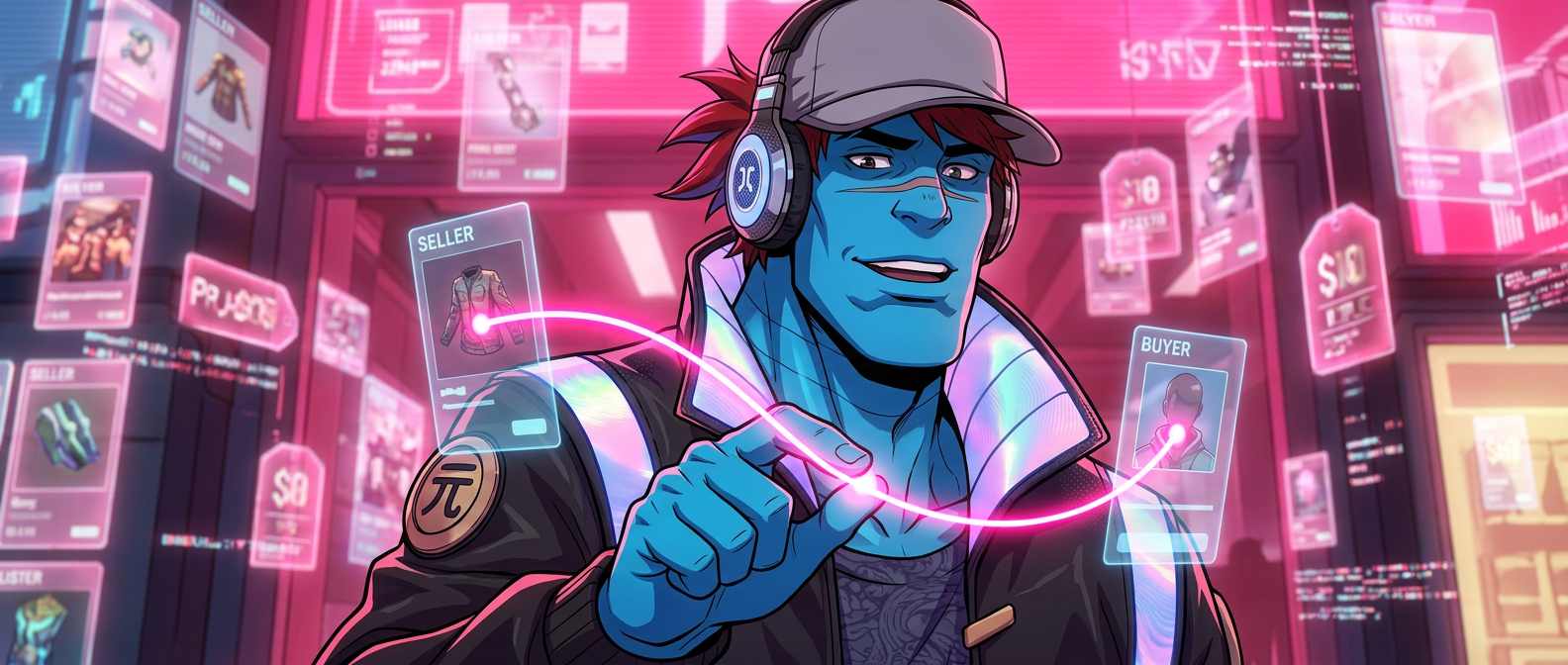
An NFT marketplace is not a store, a broker, or a custodian: it is a smart contract interface that connects buyers and sellers directly on the blockchain, with no intermediary holding the asset at any point during a transaction. Understanding what actually happens beneath the interface is what separates buyers and sellers who transact with clarity from those who click through confirmations without knowing what they are signing or authorizing. This guide covers what an NFT marketplace actually is and how it differs from a traditional platform, the exact mechanics of listing and purchase transactions behind the scenes, how the primary and secondary markets work and how fees stack in each, and what every beginner needs to know before connecting a wallet and signing anything on a marketplace.
What an NFT Marketplace Actually Is
An NFT marketplace is a frontend interface that reads data from the blockchain and displays it in a format buyers and sellers can navigate. The marketplace does not own, hold, or store the NFTs listed on it at any point.
Every NFT that appears on a marketplace remains in the seller's wallet until the exact moment a purchase transaction is confirmed on-chain. The marketplace displays it for sale, but ownership stays with the seller throughout the entire listing period.
The actual transfer of an NFT from seller to buyer is executed by a smart contract, not by the marketplace platform itself. The marketplace provides the interface and the infrastructure, but the blockchain enforces and records every transaction.
Connecting a wallet to a marketplace proves address ownership through a cryptographic signature. This connection does not give the marketplace permission to move any funds or NFTs from the wallet.
Without a self-custodial wallet, a user cannot buy, list, or sell on any major NFT marketplace. Marketplaces connect to wallets rather than bank accounts or usernames, and every action on the platform is authorized directly from the connected wallet.
There are two main types of NFT marketplaces: open and curated. Open marketplaces like OpenSea and Blur allow anyone to list any NFT without prior approval, while curated marketplaces like SuperRare and Foundation require artist or listing approval before anything can be sold.
OpenSea and Blur display Jirasan NFTs because they index the Ethereum blockchain and surface any NFT from any collection to any connected user. The Jirasan project team does not send NFTs to the marketplace — the platform reads ownership data directly from the blockchain.
Our guide on what smart contracts are and how they work explains the code that runs behind every listing approval and purchase on any NFT marketplace, and why no marketplace intermediary is needed to enforce the transaction.
How Buying and Selling Work Behind the Scenes
When a seller lists an NFT at a fixed price, they sign an off-chain message that authorizes the marketplace smart contract to transfer the NFT to any buyer who pays the listed price within the listing duration. This signature costs no gas on most modern platforms including OpenSea and Blur.
Before the first listing from any collection on a new marketplace, a one-time collection approval transaction must be signed. This approval grants the marketplace contract permission to move NFTs from that specific collection out of the seller's wallet when a valid purchase is confirmed on-chain.
The collection approval is an on-chain transaction and costs gas. It only needs to be completed once per collection per marketplace, and all subsequent listings from that same collection on the same platform require no further approval.
The collection approval does not transfer any assets and does not give the marketplace unconditional access to the wallet. It only authorizes the contract to move NFTs from the named collection when the exact conditions of a confirmed sale are met.
When a buyer clicks Buy Now, they initiate an on-chain transaction that executes two actions simultaneously: sending payment from the buyer's wallet and transferring the NFT from the seller's wallet to the buyer's wallet. Both happen in a single atomic transaction.
Atomic means both actions succeed together or neither happens at all. There is no possible outcome where a buyer pays but does not receive the NFT, or the NFT transfers without the payment being confirmed first.
The buyer's transaction includes the full listed price, from which the smart contract automatically deducts the marketplace fee and any creator royalties before sending the remaining amount to the seller. All of this happens within the same block as the purchase transaction.
Gas fees on the purchase transaction are paid by the buyer and are separate from the NFT price and all platform fees. They go directly to the blockchain validators who process and confirm the transaction.
Every wallet popup shown during a marketplace interaction should be read carefully before signing. A legitimate listing or purchase transaction shows the specific contract address, the exact action being authorized, and the total cost involved.
Our guide on what minting an NFT means step by step covers the primary market transaction that precedes all secondary trading, and explains the process by which NFTs are first created and sold before they ever appear on a secondary marketplace.
Primary Market, Secondary Market, and the Role of Fees
The primary market is where NFTs are sold for the first time, directly by the creating project through a mint. This is the moment a new NFT is created on the blockchain and transferred to its first owner.
Primary market costs are simpler than secondary market costs. The buyer pays the mint price set by the project plus gas fees for the minting transaction, with no marketplace fee applied in most direct mint contracts.
Some projects run their primary sales through marketplace infrastructure, in which case a platform fee may apply. Most projects operate their own independent mint contracts and conduct the primary sale without a third-party marketplace involved.
The secondary market is every sale that happens after the initial mint, between one collector and another. This is where marketplaces like OpenSea and Blur operate and where the majority of NFT trading volume takes place in 2026.
Secondary market costs stack in layers. The buyer pays the listed price, from which the marketplace deducts its fee and then the creator royalty if enforced, with the remainder going to the seller. Gas is paid additionally by the buyer for the on-chain purchase transaction.
The marketplace fee is a percentage taken by the platform from every secondary sale. OpenSea charges 2.5%, Blur charges 0.5%, and Magic Eden charges 2%. This is how NFT marketplace platforms generate revenue.
The creator royalty is a percentage set by the original project team and paid to them on every secondary sale in perpetuity. It rewards projects for building collections that continue to trade actively long after the initial mint is complete.
Royalty enforcement is not consistent across all platforms. Some enforce the full creator royalty automatically on every sale, while others allow buyers to set the royalty amount anywhere between zero and the full creator rate before confirming the purchase.
Gas fees are entirely separate from marketplace and royalty fees. They are paid to the blockchain network for processing the transaction and vary based on demand for block space at the time the transaction is submitted.
Jirasan has a creator royalty that applies on secondary sales. The current royalty percentage is visible on the Jirasan collection page on both OpenSea and Blur before any transaction is placed.
Our guide on how Ethereum gas fees work explains the calculation behind network transaction costs, why they change based on blockchain demand, and how to time purchases and listings to reduce what you pay.
Why Marketplaces Matter and What Beginners Should Know
Liquidity is the core reason NFT marketplaces exist. An NFT held in a wallet with no marketplace listing has no immediately realized price, and the marketplace is the mechanism that converts NFT ownership into something that can be bought, sold, and priced in real time.
Floor price is the most commonly referenced data point on any marketplace. It is the lowest active listing in a collection at any given moment and represents the minimum cost to immediately enter the collection or the lowest price a seller can list at and still compete with existing offers.
Trading volume and unique holder count are the two most reliable signals of collection health alongside floor price. A collection with consistent weekly volume and a growing holder count is more liquid than one with a single volume spike followed by silence and stalled listings.
Connecting a wallet to a marketplace is not the same as authorizing the marketplace to access assets. A wallet connection only proves address ownership through a signature, and no funds or NFTs can be moved until the user explicitly signs a separate collection approval or purchase transaction.
A collection approval is specific and limited. It applies only to the collection named in the approval on the specific marketplace being used, and approving one platform to list NFTs from one collection gives it no access to other collections or to ETH held in the same wallet.
Verified badges on marketplace collection pages indicate the platform has confirmed the listing is from the authentic project contract. Always check for the verified badge and cross-reference the contract address against what the project lists on its official website before buying anything.
Fake collections with near-identical names, artwork, and descriptions are common on every open marketplace. Purchasing from the wrong contract is irreversible on the blockchain, and there is no refund mechanism on any marketplace for a transaction that has already confirmed.
Some marketplace interactions, particularly accepting bids or making offers using wrapped ETH, require ERC-20 token approvals in addition to collection approvals. These approvals should be reviewed carefully before signing and revoked using a token revocation tool when they are no longer needed.
A wallet holding a Jirasan NFT can connect directly to the Jirafam Hub to unlock holder-exclusive features. The marketplace and the hub both read from the same Ethereum blockchain, and the wallet either holds a Jirasan NFT or it does not.
Our guide on how to keep your crypto wallet safe covers the full set of security habits that apply to every marketplace interaction, from verifying connection requests to revoking standing approvals after any transaction is complete.
Conclusion
Understanding how NFT marketplaces work at the mechanics level is what turns every transaction from a leap of faith into a deliberate action with a known outcome. This guide covered what an NFT marketplace is and what it does not do, the exact mechanics of listing signatures, collection approvals, and atomic purchase transactions behind the interface, how fees stack differently in the primary and secondary markets, and what every beginner needs to understand before connecting a wallet and signing anything on a marketplace. For a practical walkthrough of every step from wallet connection to confirmed on-chain ownership, our guide on how to buy NFTs step by step for first-time buyers covers the full purchase process on any major platform.
Read Next
- What Is an NFT? Simple Explanation for Beginners
- What Is a Web3 Wallet? Everything Beginners Need to Know
- What Is Minting an NFT? Meaning and Step-by-Step Basics
FAQ:
What is an NFT marketplace and how does it work?
An NFT marketplace is a platform that connects buyers and sellers through smart contracts on the blockchain, where listings are signed by sellers and purchases execute in a single on-chain transaction that transfers both payment and the NFT simultaneously.
What is the difference between the primary market and the secondary market for NFTs?
The difference between the primary market and the secondary market for NFTs is that the primary market is where NFTs are sold for the first time through a mint by the creating project, while the secondary market is every subsequent sale between collectors on platforms like OpenSea and Blur.
What is the difference between connecting a wallet to a marketplace and approving a collection?
The difference between connecting a wallet to a marketplace and approving a collection is that connecting a wallet only proves address ownership and grants no access to assets, while a collection approval is a separate on-chain transaction that authorizes the marketplace to transfer specific NFTs when a confirmed sale occurs.
What is a collection approval and why is it required on an NFT marketplace?
A collection approval on an NFT marketplace is a one-time on-chain transaction that grants the marketplace contract permission to transfer NFTs from a specific collection out of the seller's wallet, and it is required because the smart contract cannot execute any transfer without explicit wallet authorization.
What is the difference between a listing signature and a purchase transaction on an NFT marketplace?
The difference between a listing signature and a purchase transaction on an NFT marketplace is that a listing signature is an off-chain authorization that costs no gas and sets the sale terms, while a purchase transaction is an on-chain event that costs gas and simultaneously sends payment and transfers the NFT to the buyer.
What is an atomic transaction and why does it matter when buying an NFT?
An atomic transaction when buying an NFT means payment and the NFT transfer happen simultaneously or neither happens at all, which eliminates any possibility of paying without receiving the NFT or the NFT transferring without payment being confirmed.
What is the difference between a marketplace fee and a creator royalty on an NFT marketplace?
The difference between a marketplace fee and a creator royalty on an NFT marketplace is that the marketplace fee is a percentage taken by the platform for facilitating each transaction, while the creator royalty is a percentage paid to the original project team on every secondary sale.
What is a floor price on an NFT marketplace?
A floor price on an NFT marketplace is the lowest active listing price in a collection at any given moment and represents the minimum amount a buyer must pay to immediately acquire any NFT from that collection.
What is the difference between an open NFT marketplace and a curated NFT marketplace?
The difference between an open NFT marketplace and a curated NFT marketplace is that an open marketplace allows anyone to list any NFT without prior review, while a curated marketplace requires artists or listings to be approved by the platform before anything can be sold.
What happens if you buy an NFT from a fake or unverified collection on a marketplace?
If you buy an NFT from a fake or unverified collection on a marketplace, the transaction is irreversible on the blockchain and the purchased token is not the authentic asset from the original project, with no refund available from any party.